Published February 25, 2026 · By Vlasov Edward · SeenLabs
Thirty-nine days. One hundred and four matches. Eleven American cities.
If your bar is in Dallas, Houston, Miami, New York, Los Angeles, or any of the other eight US host cities, this summer is unlike anything you've seen since 1994 — the last time America hosted the World Cup. And even 1994 was half the scale: 52 matches, 9 cities.
The 2026 FIFA World Cup starts June 11. It runs through July 19 with the Final at MetLife Stadium. In between: nearly six weeks of matches broadcast across time zones, 10 million international visitors arriving in the US, and $280 million in projected food and beverage spending flowing through host-city venues.
Some bars will triple their revenue on match nights. Some will see nothing.
The difference isn't luck. It isn't location, exactly. It's preparation — and specifically, how well a bar communicates with the right fans before and during every match.
Match-day revenue can reach 2–3× normal for prepared bars (Pig Beach BBQ, Marketplace.org)
Digital signage increases sports bar revenue by 23% on average (OptiSigns)
The winning bars shared one trait: they were visibly, operationally prepared before the tournament started
What Actually Happened to Bars During the 2022 World Cup
According to a post-tournament survey by the NYC Hospitality Alliance of more than 130 operators, the results split cleanly into winners and everyone else.
75%of NYC bars reported higher revenue during 2022 WC broadcasts
2–3×match day revenue at Pig Beach BBQ in Queens vs a typical day
That last number is the one that should concern you. One in four bars with the same World Cup traffic flowing through their neighborhood saw no bump. They had the foot traffic. They didn't capture it.
The NYC Hospitality Alliance researchers found that the common denominator among the 25% who missed out: they weren't visibly set up to watch. No active marketing tied to match schedules. No visible screens or signage announcing they were showing the games.
One brewery in the survey noted that a single USA vs. Netherlands match became a top-10 sales day in the brewery's entire history — surpassing a normal Saturday by noon. That's what happens when a bar is ready.
The Super Bowl frame: Picture a regular Super Bowl. One game, one city, roughly $500 million to $1.25 billion in local economic activity. Now picture nine of them — spread across your city over five weeks, each drawing a different international crowd. That's the 2026 World Cup for host-city bars. The question is whether fans walking by see your place as a destination, or pass it by.
Why Host City Matters More Than You Think
The 2026 tournament features 104 matches across 11 US cities, but they're not evenly distributed. Dallas hosts nine matches — more than any other venue — with a projected $2+ billion economic impact. Houston hosts seven, Seattle six. Every host city will see concentrated waves of international fans moving between the stadium, their hotels, and the surrounding neighborhoods.
These aren't casual sports fans. They flew across an ocean. They budgeted for this trip. According to the travel analytics company Mabrian, fan spending in East Rutherford, NJ projects to $67 million, in LA $59 million, and in Dallas $58 million. Half of all visitor spending goes to food and beverage — the largest single category.
The fans showing up at your bar are not choosing between your place and staying home. They're choosing between your bar and the bar down the street. The decision gets made in seconds, from the sidewalk.
What the Winning Bars Did Differently in 2022
According to Marketplace.org, Pig Beach BBQ in Queens ran a simple but disciplined operation during 2022: they displayed match schedules prominently, built drink specials around match times, and made it visually obvious from outside that they were showing every game. Double and triple daily revenue on match days wasn't an accident. It was a prepared environment that self-selected fans in the moment of decision.
The British Bulldog in Denver used the World Cup explicitly to convert "fairweather fans" into regulars — marketing the experience not just for that tournament but as a reason to come back. The World Cup became a customer acquisition event, not just a revenue spike.
"A packed bar during a World Cup match is not atmosphere. It is social proof on loop, visible from the street, replicated table by table, that says: this is where the fans are."
Sports bars specifically have measurable advantages when they use digital signage strategically. According to an OptiSigns industry analysis, bars that actively use digital signage for promotions see an average 23% revenue increase versus those relying on static materials or verbal communication from staff. Customer dwell time increases by 73% with active displays — and dwell time in a bar converts directly to additional rounds.
The Table-by-Table Execution Problem
Here's where most sports bars underperform even when they're doing the right macro things: the gap between "we're showing the game" and "every table knows what to order, when the next match starts, and what the special is."
A sports bar showing 6 matches a week for 5 weeks is hosting 30+ distinct events. Each event has a different set of fans, a different match time, a different set of national team colors showing up in person. The bar that serves them well isn't the bar with the most screens. It's the bar where fans can find the next match time without asking a staff member, order a special tied to the home nation they're rooting for, and feel like the venue was set up specifically for this experience.
That's the communication problem. And it plays out at the table level, not just on the TV screens.
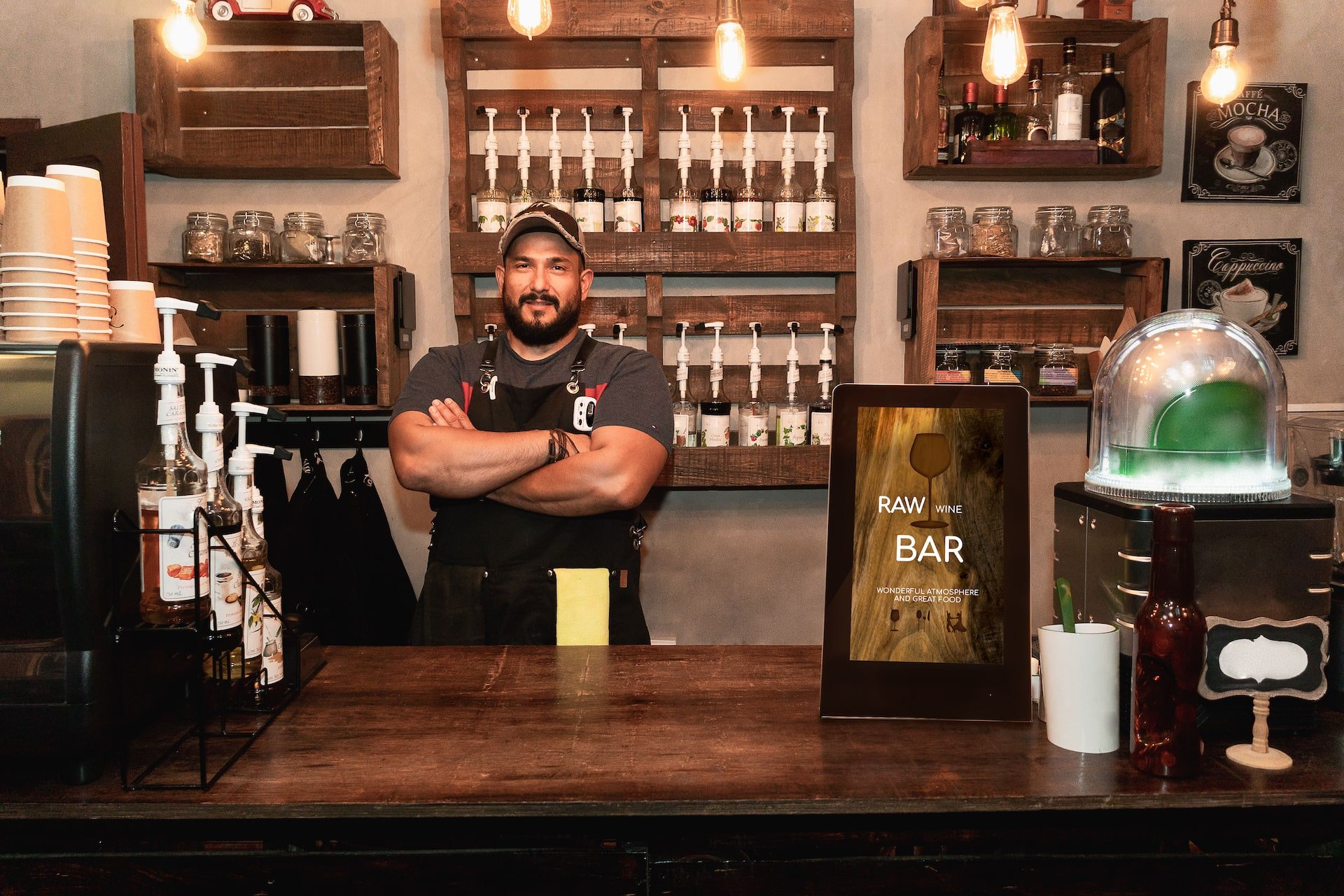
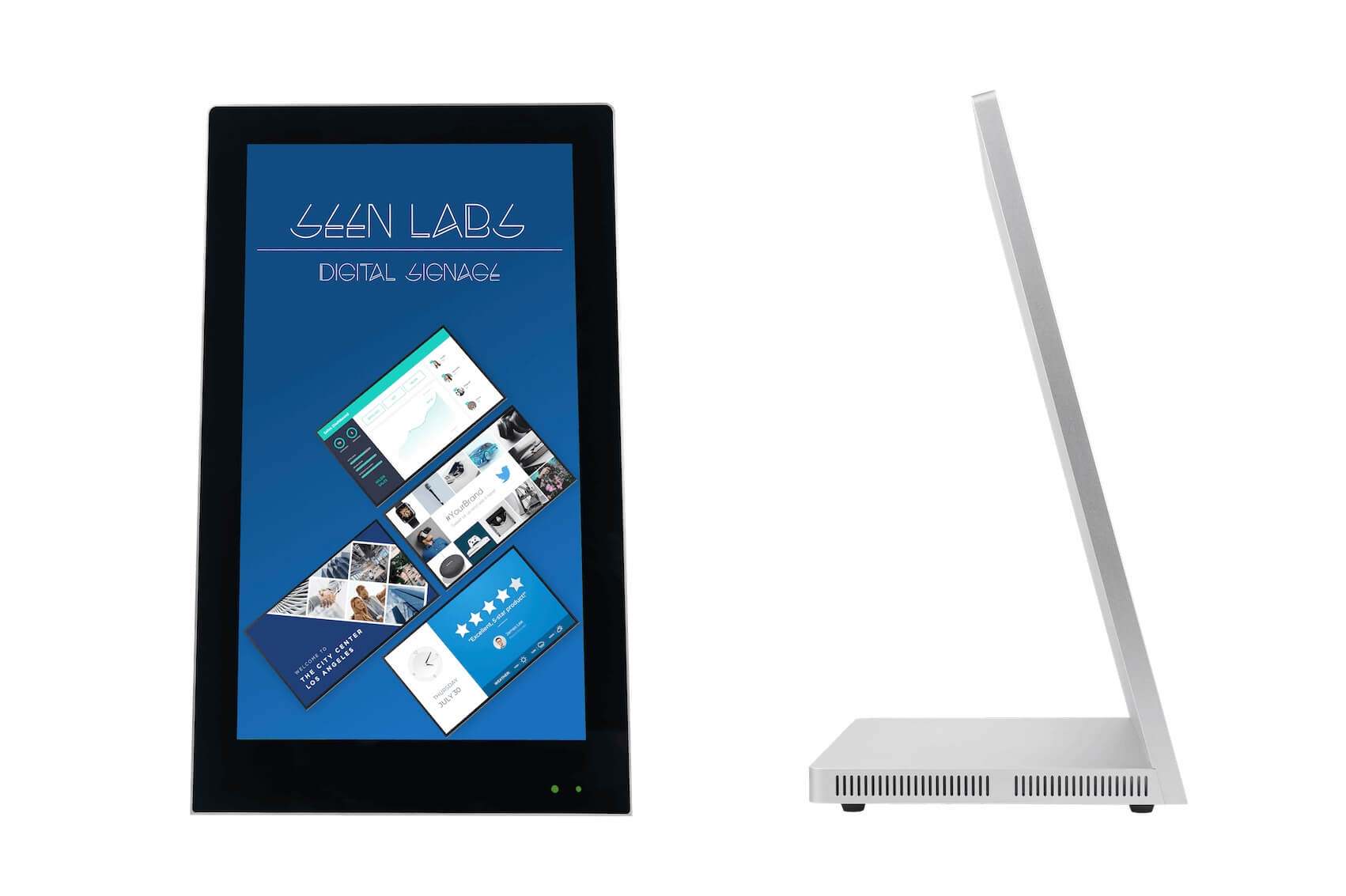
A digital table tent displaying a match schedule and drink special. Each unit works independently — staff can push a content update to every table at once.
How Digital Table Tents Solve This During the World Cup
Digital table tents are small-format screens placed on each table or at each seat. They run on a managed content system — meaning a bar manager or their signage provider can update what every screen shows simultaneously, from a laptop or phone.
During the 2026 World Cup, that capability matters for several specific reasons:
Match schedule display: Every table shows today's lineup — which teams, what time, which bar area has which game. Fans self-route without staff involvement.
Dynamic drink specials: Set a Colombia match special for June 27 in Miami. Set an Argentina special for Kansas City on June 16. Push it to every table at 5:00 PM. No reprinting, no verbal instructions, no missed tables.
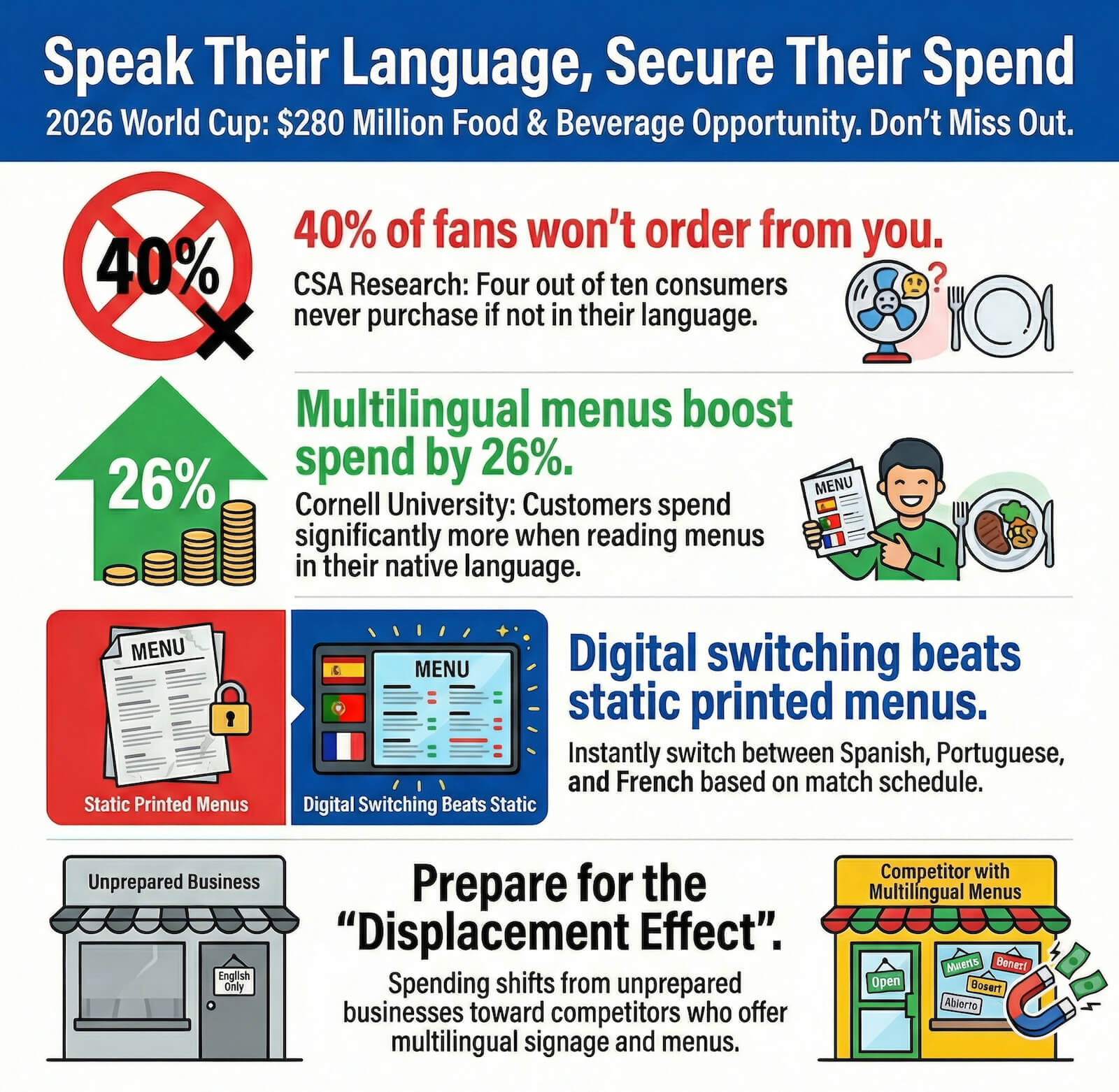
Language-adaptive content: Switch the display to Spanish for an all-Spanish-speaking group. Switch back for the next party. One content system, multiple language outputs. (More on multilingual strategy in a companion piece below.)
Upsell without staff pressure: A featured item — a shareable platter, a pitcher deal, a premium cocktail — displayed at table level outperforms a verbal mention 3:1. Customers browse at their own pace. They don't feel sold to.
Live updates during matches: Score updates, halftime specials ("Goal scored? Next round is $1 off"), celebration moments — pushed in real time by a staff member with a smartphone.
The math on upsell: At 40 tables, if a table tent increases average order value by $8 per party (one additional round), that's $320 per match night. Over 30 match nights during the tournament: $9,600 in additional revenue — from better table communication alone. No additional staff. No reprinting.
The 90-Day Countdown: A Bar Owner's Preparation Timeline
Now → April 30 — Equipment & Setup Phase
Secure your digital signage and build your content library
This is the window to get hardware installed, staff trained, and content templates built. The World Cup content calendar is known: all 104 match dates and times are already published by FIFA. Build a template for match-night programming now, and filling it in June takes minutes, not hours. Ordering and deploying digital table tents typically takes 2–4 weeks; don't wait until May.
May — Marketing & Pre-Registration Phase
Announce, promote, and create pre-event buzz
Push your World Cup programming schedule to your email list and social channels in May. Create a match-night reservation system (even informal) so you know what staffing you need per match. Set up Google Business Profile to show your World Cup programming in search results — fans arriving in host cities will Google "where to watch World Cup" first.
June 11 – July 19 — Tournament Phase
Execute match by match, optimize weekly
Each of the 104 matches is a separate event with a different fan composition. Dallas gets Argentina and Brazil fans. Miami gets Colombia and Portugal fans. Know which nationalities are watching each match at your venue and program your table tents accordingly. Review weekly what's driving orders and what isn't — adjust specials based on actual data, not guesswork.
Post-Tournament — Convert Regulars
Turn World Cup customers into repeat business
The British Bulldog strategy: use the World Cup as a customer acquisition event. Collect email addresses through match-night contests, sign-up sheets, or digital loyalty integrations. A fan who came for the Brazil match in June might become your regular for NFL season in September — if you stay in front of them.
The Match Night Execution Checklist
For each major match night during the tournament, run through this before doors open:
Digital table tents updated with today's match time, teams, and drink special
Screen layout optimized for the expected crowd (Spanish-speaking? Portuguese-speaking? Mixed?)
Specials pushed to all tables — no verbal instruction required
Goal notification plan ready (staff member designated to push real-time updates)
Staff briefed on top 3 upsell items for the night
Overflow area designated and communicated on screens
Google Business Profile updated to show tonight's match viewing event
Social post scheduled to go live 90 minutes before kickoff
Before You Build Your Watch Party Program
A note on the 25% who saw nothing: proximity alone does not determine who wins. The bars and restaurants that missed the 2022 World Cup revenue wave weren't all in bad locations. Many were simply not visible as watch party destinations. Fans making a split-second sidewalk decision choose the bar that looks like the event is already happening inside — the one with visible screens, visible excitement, visible programming information.
The 2026 World Cup gives you 104 chances to be that bar. Each match is a separate opportunity. Unlike the Super Bowl — one shot, one night — the World Cup rewards operators who prepare systems that work week after week, match after match, with minimal staff overhead per event.
SeenLabs works with bars, restaurants, and hospitality venues to deploy and manage digital table tent systems — including match-night content programming. The system runs across all tables from a single dashboard; your team can update every screen in the venue in under two minutes.
How many World Cup matches will be shown in US bars?
All 104 matches will be broadcast on Fox and Telemundo in the United States. 78 of the 104 matches will be played in US venues. For host-city bars, nearly every match is an opportunity to host fans — not just USA matches.
When should a bar start preparing for the 2026 World Cup?
Now, if you haven't already. Equipment procurement, staff training, and content systems should be in place before May. Google Business Profile and social media marketing should ramp up in April. Match-night programming can be set up month-by-month once the group stage schedule is confirmed by FIFA.
Do digital table tents work for smaller bars without dedicated technical staff?
Yes. Managed digital signage systems are built specifically for venues without in-house IT. Content updates happen through a web dashboard or mobile app — the same way you'd update a social media post. The hardware is pre-configured and managed remotely by the signage provider.
What's the biggest mistake bars make during major sporting events?
Not communicating the experience from the outside. Fans choosing between venues often make the decision from the sidewalk. The bar that looks like the event is happening — visible screens, visible activity, visible specials — wins the foot traffic over a bar that's showing the game but doesn't look like it from outside.
Is the revenue opportunity real for bars outside the host stadium area?
Yes. Most fans don't go from hotel to stadium and back. Fan zones, neighborhood bars, and restaurants spread throughout host cities all see elevated traffic. The further from the stadium, the more important it is to make your venue a deliberate destination — which is where marketing and in-venue experience make the difference.
Sources & References
NYC Hospitality Alliance — Post-Tournament Survey, 130+ Operators (2022 FIFA World Cup)
Marketplace.org — Pig Beach BBQ Match Day Revenue Report (2022)
OptiSigns — Digital Signage Revenue Impact in Sports Bars and Restaurants
Clemson University — Economic Displacement Research at Major Sporting Events
FIFA — 2026 World Cup Official Match Schedule and Venue Data
SeenLabs Digital Table Tent — Update every screen in your venue in under 2 minutes
Ready to set up your World Cup match-night system?
SeenLabs deploys and manages digital table tent systems for bars and restaurants. Tell us about your venue and we'll build you a proposal — usually within 24 hours.