2025 INTEGRATION GUIDE
Integrating Digital Signage into
Omnichannel & IoT-Driven Experiences
Connecting screens with mobile, sensors, and real-time data to create seamless "phygital" customer journeys.
+300%
QR Interaction Lift
+31%
Avg Sales Increase
-35%
Perceived Wait Time
400%
More Views vs Static
📋 Contents
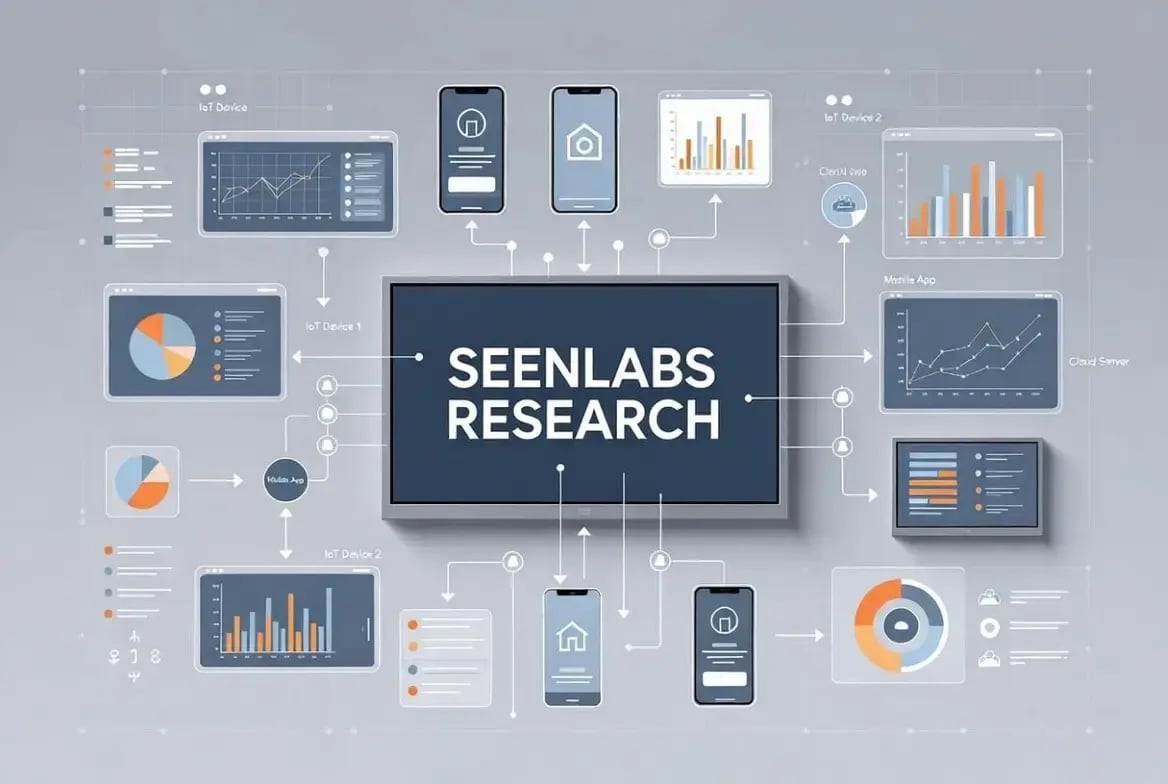
Digital signage has evolved from static "posters on a screen" into a dynamic touchpoint within the omnichannel customer journey. In retail, QSRs, fitness, beauty, transport, and hospitality, businesses are adopting "phygital" strategies – blending physical and digital experiences. Modern digital signs are interactive, internet-connected displays that respond to mobile devices and sensors in real time. This integration opens opportunities to deliver the right message to the right audience at the right time.
Mobile & Contactless Integration
One of the most effective ways to bridge physical signage with digital channels is through QR codes, NFC tags, mobile apps, and web links that encourage immediate customer action.
70%
Diners prefer digital menus
+30%
Order value with QR ordering
+300%
Interactions vs static signs
🍗 KFC: Skip the Line
Digital menu boards with "Skip the line – Scan to order" QR code. Customers place orders on phones, cutting queue times and reducing staff strain during peak hours.
🛋️ IKEA: Showroom Integration
QR codes on displays let shoppers pull up product info, check stock availability, and save items to their phone – bridging browsing and buying.
☕ Starbucks: Loyalty + Signage
Integrated mobile loyalty with digital signage → 25% sales increase from resulting engagement (Forbes).
📊 Overall Impact
Pairing screens with mobile CTAs multiplies customer engagement by 40%+ while reducing user friction by ~30%.
Key insight: A QR code or app prompt, placed with purpose, turns a glance at a sign into a measurable action – ordering a meal, downloading a coupon, joining a mailing list, or logging into a service.
IoT-Triggered Dynamic Content
Smart signs automatically tailor messaging based on real-time data and IoT sensor inputs – from weather to foot traffic to inventory levels.
👥 Foot Traffic & Occupancy
Sensors tracking movement enable crowd-aware signage. High traffic → promote popular items. Empty store → attention-grabbing promos. Queue screens show "Now Serving" or "Order ahead on mobile" when lines grow. Engaging content cuts perceived wait times by 35%.
🌤️ Weather & Environment
Weather feeds trigger content rules: hot coffee on cold days, iced drinks when sun comes out. Retailers offer coat discounts during cold spells, umbrella deals before rain. Weather-based content is considered best practice – drives immediate relevance.
📦 Inventory & POS Data
Signage tied to stock levels automatically promotes overstocked/high-margin items and stops pushing sold-out products. Prime Burger: 50% sales lift after linking digital menus to POS. Businesses report avg +31% sales with data-fed signage.
🎯 Other IoT Triggers
Gyms: Half-full class → flash last-minute discount. Transit: GPS-based "Next bus in 5 min." Retail: Computer vision for demographic targeting. Kiosks: Voice-activated inquiries with visual responses.
Right time, right place: AI-driven signage analyzes live inventory, sales trends, and time of day to display the most relevant promotions – pushing umbrellas when it's raining or highlighting dinner combos as 5pm approaches.
Impact on CX & Revenue
Phygital signage initiatives deliver concrete improvements in both CX metrics and financial performance when aligned to customer needs.
💰 Sales & Conversion
- +31.8% avg sales increase after digital signage
- QSR: +30% transaction size via upselling
- Prime Burger: 50% revenue jump
- Retail: +25% conversion with interactive info
- ROI payback in as little as 18 months
👁️ Engagement & Traffic
- 400% more views than static displays
- 83% message recall rate
- 8 in 10 consumers entered store due to digital sign
- +30% customer engagement with QR codes
- Longer dwell times, higher satisfaction
⭐ Customer Experience
- -35% perceived wait time with engaging content
- 85% event attendees: QR improved experience
- Museums: 85% said interactive content enhanced visit
- In-N-Out: +25% satisfaction with QR menus
- Higher NPS scores (+20-30%)
📉 Cost & Efficiency
- 30-35% lower advertising costs (no printing)
- Content updates are virtually free
- Centrally managed → no pricing errors
- Less staff time on manual swaps
- Self-service frees employees for higher-value tasks
⚠️ Warning: Up to 80% of digital signage deployments fail to meet expectations – not due to technology, but due to poor content strategy or integration. The success stories underscore that signage must be tightly aligned with customer needs and fed by relevant data.
Integration Architecture
Delivering phygital experiences requires a robust system architecture connecting your signage network with other digital systems.
📡 CMS with APIs
Modern signage platforms provide RESTful or GraphQL APIs for real-time content updates. Webhooks enable push notifications from other systems (e.g., e-commerce → "order ready" message). Event-driven architecture ensures instant updates.
🔗 Enterprise Integration
CRM/Loyalty: Personalized greetings, reward balances. POS: Auto-remove sold-out items. Inventory/ERP: Real-time stock sync. Best platforms have out-of-box connectors for Salesforce, Toast, Google Calendar.
🌐 IoT Event Streams
IoT hubs (AWS IoT, Azure) publish MQTT/webhook messages when conditions are met. Signage subscribes to events (e.g., "occupancy > 50" → switch content playlist). Rule engines allow triggers tied to sensors, motion, RFID without custom code.
☁️ Cloud vs Edge
Cloud: Centralized scheduling, multi-location control, heavy data analysis. Edge: Local triggers (motion sensor wakes screen). Hybrid approach common. Ensure robust network and security (encryption, firewalls).
🔄 Typical Architecture Flow
DATA SOURCES
CRM / POS
Weather API
Sensors
CLOUD CMS
Content Logic
Rules Engine
Analytics
DISPLAYS
Media Players
Screens
Kiosks
+ Mobile apps ↔ CMS ↔ Screens for two-way interactivity
Technical takeaway: Integration is everything. Digital signage must be an extension of your broader digital ecosystem, not an isolated tech silo. Select software that supports open integrations and plan upfront how data flows between screens and other channels.
What Scales vs. "Innovation Theater"
Not all innovations deliver real value or scale beyond a pilot. We must discern genuine, repeatable ROI from one-off stunts or "nice-to-have" novelties.
Trends That Deliver
- AI-driven content scheduling
- Interactive kiosks with clear CTA
- Mobile integration (QR ordering)
- Weather-responsive promos
- Inventory-linked displays
- Solve real customer pain points
Innovation Theater
- Smart mirrors without clear ROI
- Random VR demos in stores
- Looping ads with no integration
- Generic content ("digital wallpaper")
- Flashy tech without conversion path
- Press-worthy but no lasting value
📊 80% FAILURE RATE
80% of digital signage installations fail to meet performance targets. The culprit is usually not hardware or software – it's strategy. Companies that install screens with generic content see little benefit. Measure outcomes: track KPIs (engagement, conversion, dwell time, NPS). If data doesn't show lift, pivot or pull the plug.
🎯 Scalable Innovation Criteria
🔗
Integrates with everyday customer journeys
📊
Leverages data for personalized, relevant content
⚡
Simplifies experience (reduces wait, adds convenience)
6 Phygital Patterns for Operators
Repeatable, high-impact use cases where digital signage + IoT/mobile integration addresses real business needs:
Queue-Aware Messaging
Signage linked to queue systems: "Busy? Scan to order on app." Real-time "Now Serving" updates. Reduces wait frustration by 35%.
Weather-Responsive Promotions
Content changes based on weather: hot coffee on cold days, iced drinks when sunny. Drives immediate relevance and impulse buys.
Mobile Handoff ("Scan & Go")
Sign invites user to continue on phone: ordering, payment, signup. Reduces friction, +30% order value. Works across QSR, retail, events.
Inventory-Linked Displays
Signage taps live inventory: promotes overstocked items, stops advertising sold-out products. Boost revenue and prevent disappointment.
Personalized Loyalty Display
Signage recognizes loyalty members: "Welcome back, Alex! 10% off today." Creates VIP experience, deepens loyalty. Requires strong integration.
Proximity/Foot Traffic Trigger
Screens use sensors to adjust content based on nearby presence. Motion activates, demographics target relevant ads. Improves engagement and dwell.
Priority: Start with high impact + low complexity patterns (Weather, Queue, Mobile Handoff). Move to higher complexity (Loyalty, Inventory) as integration matures.
Frequently Asked Questions
Ready to Build Connected Signage Experiences?
SeenLabs offers complete digital signage solutions with built-in IoT integration, mobile connectivity, and real-time content management for retail, restaurants, and more.
Book a Consultation View Solutions