Why Education Needs Digital Signage
From K-12 hallways to sprawling university campuses, digital signage replaces cluttered bulletin boards with instant, verified communication.
Cut Through Noise
Paper flyers get ignored. Bright, dynamic screens capture attention for deadlines, events, and announcements.
Emergency Alerts
Instant override capability. Push lockdown, evacuation, or weather alerts to every screen on campus in seconds.
Campus Wayfinding
Help new students and visitors find libraries, gyms, and lecture halls without distracting administrative staff.
Event Promotion
Boost attendance for sports games, theater productions, and guest lectures with engaging video promos.
Campus Safety First
It’s not just signage; it’s safety infrastructure. In an emergency, our "Instant Override" feature turns every screen into a lockdown or evacuation alert system. This dual-use often unlocks safety grant funding.
Critical Touchpoints
K-12 Schools
1. Main Entrance / Office
Hardware: Professional display (43-55")
Content: Welcome messages, daily schedule, visitor check-in info.
2. Cafeteria
Hardware: Professional display
Content: Healthy eating facts, lunch menus, allergy warnings.
3. Hallways / Commons
Hardware: Displays at intersections
Content: Student achievements, upcoming club meetings, sports scores.
Universities & Colleges
1. Student Center / Hub
Hardware: Large Video Wall or LED
Content: Central news hub, major campus events, social media feeds.
2. Academic Buildings
Hardware: Displays outside lecture halls
Content: Class schedules, professor office hours, department news.
3. Athletics & Rec
Hardware: High-bright displays
Content: Game schedules, intramural sign-ups, gym hours.
Recommended Hardware
Durable, reliable, and secure hardware built for busy educational environments.
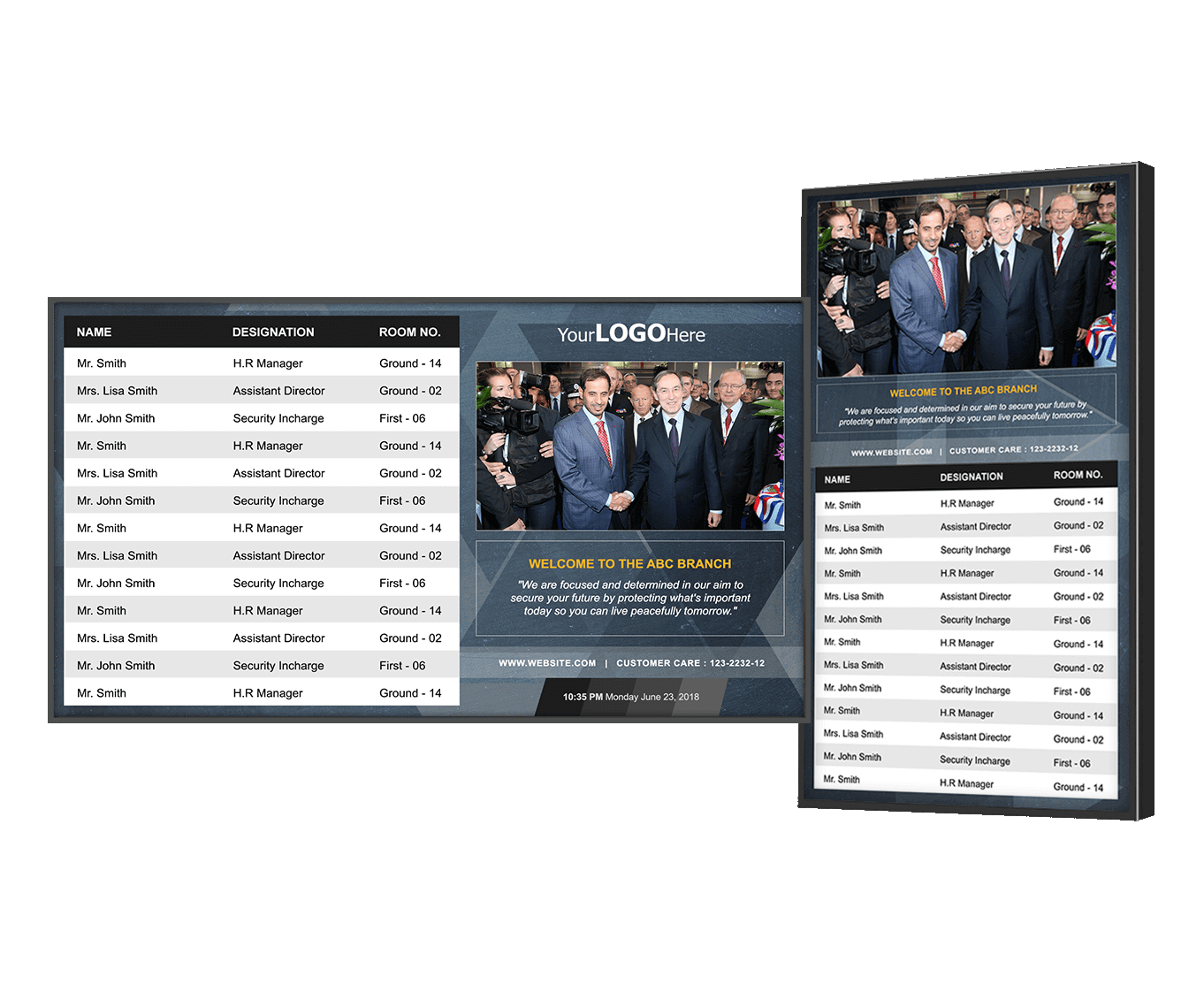
Professional Display (43-65")
Best for Hallways & Classrooms. Anti-glare coating ensures visibility under bright school lights. Rated for 16/7 operation.
View products →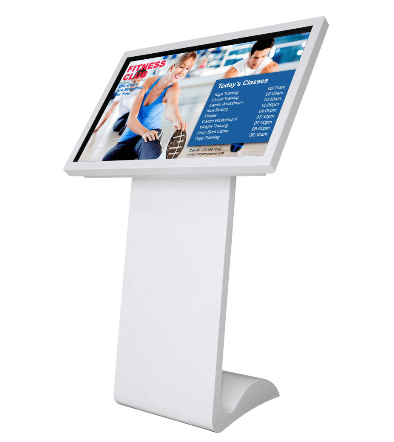
Interactive Wayfinding Kiosk
Best for Lobbies & Student Centers. Touch-enabled wayfinding maps to help visitors navigate large campuses.
View products →Content Strategy
Daily Rhythm
| Time Block | Content Focus |
|---|---|
| Before School | Welcome messages, weather, "Make it a great day!" |
| During Class | Quiet reminders in hallways, upcoming deadline updates |
| Lunch | Cafeteria menus, afternoon sports preview, heavy social activity |
| After School | Bus departure info, club meeting locations, sports scores |
| Evening | Community event info, next day preview |
Game wins, theater show openings, emergency drills.
Exam schedules, graduation countdowns, holiday greetings.
"Student of the Month", scholarship winners, art displays.
Safety & Emergency Alerts
Instant Override Capability
In an emergency, speed matters. Our platform allows authorized staff to override every screen on campus instantly.
- Lockdown: Clear instructions for students to stay inside classrooms.
- Evacuation: Map overlays showing nearest exits and assembly points.
- Weather: Severe thunderstorm or tornado warnings fed directly from NWS.
Who Manages the Content?
Distribute the workload. Give specific departments access to their own screens.
| Role | Responsibility |
|---|---|
| Administration | School-wide announcements, emergency alerts, master schedule. |
| Athletics Dept | Game schedules, scoreboards, team photos. |
| Student Council | Prom, spirit week info, club activities (moderated by staff). |
| Food Services | Daily menu updates, nutritional facts. |
Budget & Funding
Phased Rollout
Start with high-impact areas like the lobby and cafeteria. Expand to hallways and classrooms in future budget cycles.
Grant Support
Many schools use safety and modernization grants to fund digital signage, citing its emergency notification capabilities.
Print Savings
Calculate the annual cost of paper, toner, and labor for bulletin boards. Digital often pays for itself in efficiency.
ROI for Education
Measurable Impact
Ready to Modernize Campus Communication?
Get a deployment plan for your school or campus — phased options available for any budget.