Digital Signage for Healthcare Facilities

Wayfinding, patient communication, and waiting room engagement β€” deployed with healthcare operations in mind.

Why Healthcare Needs Specialized Signage

Healthcare environments are high-stress and complex. Digital signage isn't just about screens; it's about reducing anxiety and improving operational flow.

Patient Anxiety Reduction

Uncertainty breeds stress. Screens showing wait times and process information can reduce perceived wait time by up to 35%.

Wayfinding Complexity

Large facilities are mazes. Dynamic directories that can be updated instantly are superior to static signs for guiding patients to new departments.

Information Overload

Staff cannot repeat the same instructions to every patient. Screens automate the delivery of standard policies, hours, and procedures.

Multilingual Support

Diverse patient populations require communication in native languages. Digital displays can cycle through multiple languages easily.

πŸ’Ž

The Silent Nurse

Nurses spend hours answering "Where is Radiology?" or repeating check-in rules. Our digital wayfinding and info screens act as a "Silent Nurse," handling 80% of routine questions so your staff can focus on clinical care.

Critical Touchpoints

1

Main Lobby / Reception

Purpose: Check-in guidance, wayfinding, and general information to reduce front-desk questions.

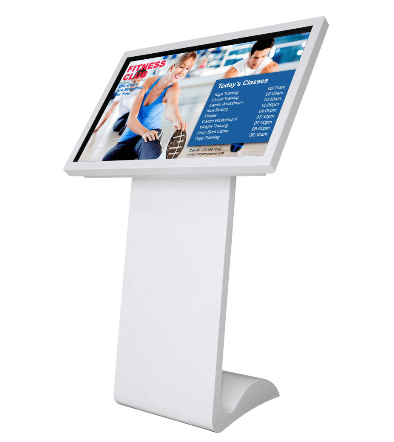
Hardware: Professional display (43-55") or kiosk with touchscreen

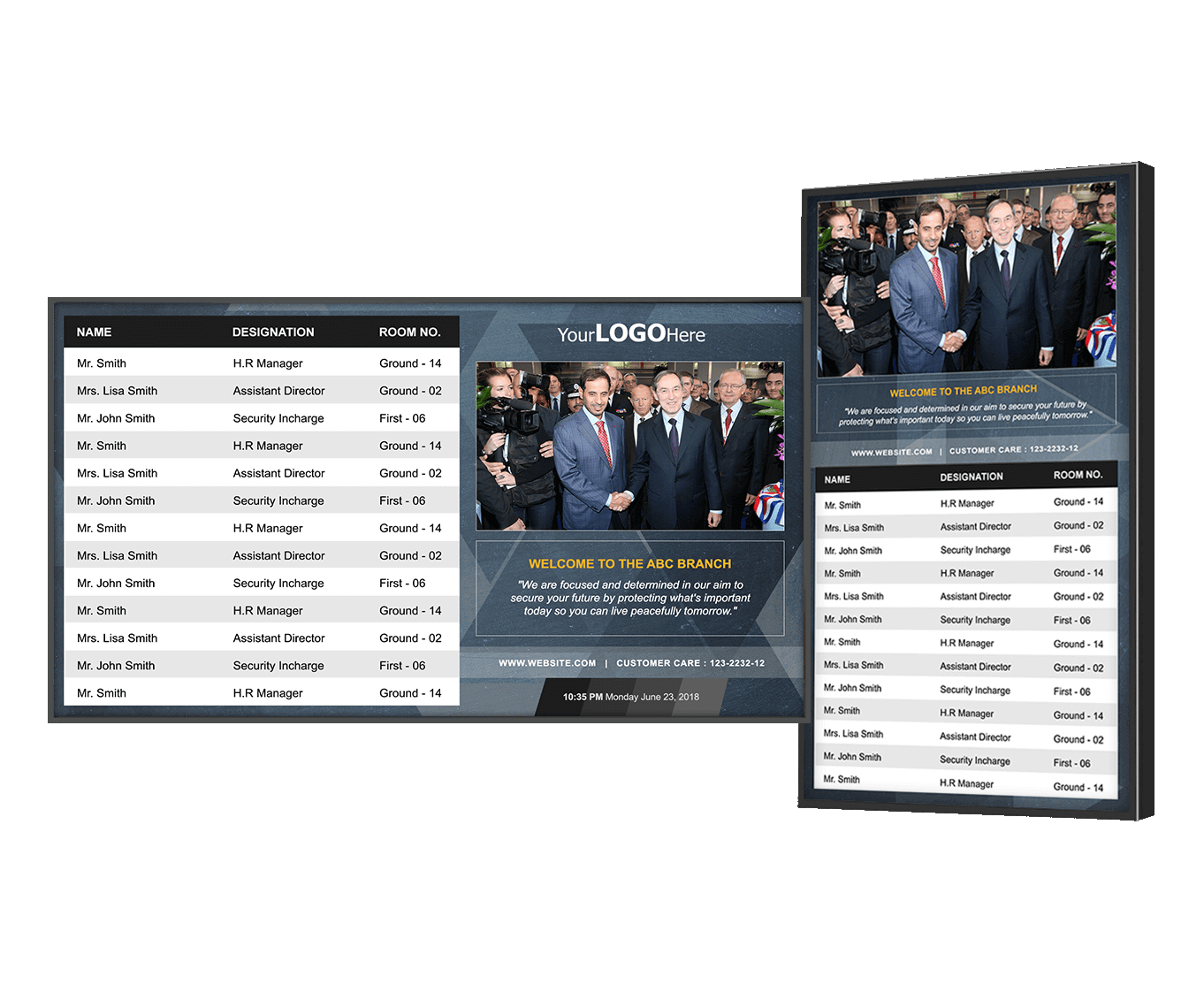
Content: Directory, department locations, visitor policies

2

Waiting Rooms

Purpose: Reduce perceived wait times, provide health education, and manage queues.

Hardware: Professional displays, multiple screens if the room is large

Content: Queue status, health tips, news/weather, estimated wait times

3

Corridors / Wayfinding Points

Purpose: Navigation assistance at key decision points and intersections.

Hardware: Professional displays positioned at intersections

Content: Dynamic arrows, department directions, emergency routes

4

Patient Rooms

Purpose: Patient education, meal ordering, and entertainment to improve stay quality.

Hardware: Bedside displays or wall-mounted screens

Content: Care instructions, daily menu, entertainment options

Recommended Hardware

Reliability is paramount. We recommend commercial-grade hardware for 24/7 operation.
Professional Display

Professional Display (43-55")

Best for Lobby & Corridors. High visibility, anti-glare, and rated for continuous operation.

View products β†’
Kiosk

Interactive Kiosk

Best for Check-in. Durable touchscreens allowing self-service patient flow.

View products β†’
Hand Sanitizer with Screen

Digital Hand Sanitizer

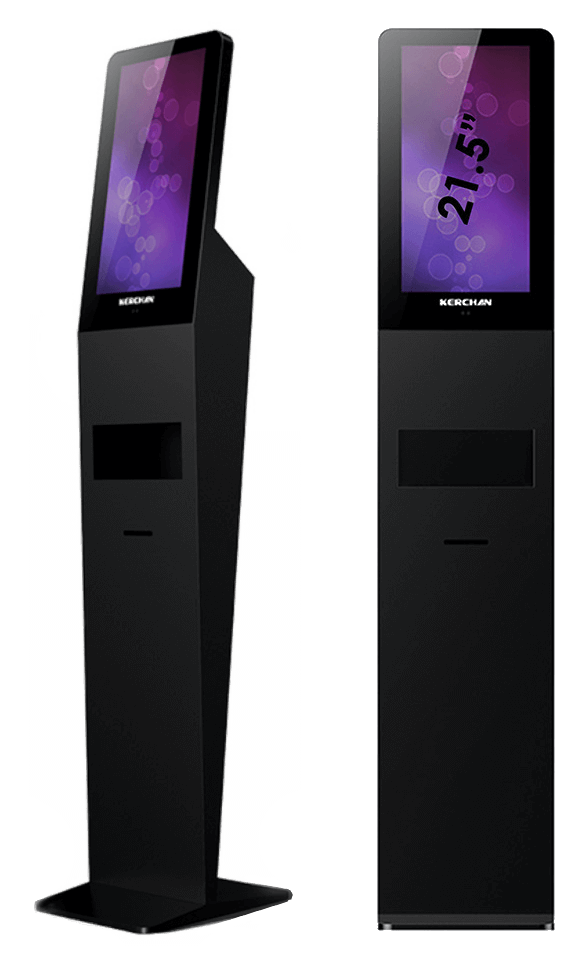
Best for Entrances/Hallways. Hygiene + Messaging combined. Antimicrobial enclosures available via partners.

View products β†’

Content Strategy

Content must be timely and relevant. Here is a recommended schedule for healthcare facilities:

Time/Trigger Content Type
Always Wayfinding maps, Department directory
Morning Appointment reminders, Clinic operating hours
Peak Hours Queue status, Live wait time estimates
Waiting Rooms Health education videos (rotate topics weekly)
Seasonal Flu shot campaigns, Preventive care reminders

Recommended Update Frequency

  • Wayfinding: Immediate updates as departments move or change.
  • Health Content: Weekly rotation to keep frequent visitors engaged.
  • Queue/Wait Times: Real-time integration via API.

Compliance & Liability

Important: SeenLabs provides hardware and CMS for content display. Compliance with healthcare regulations (including HIPAA) is the responsibility of the healthcare facility and their legal/compliance teams. We recommend consulting with your compliance officer before displaying any patient-related information.

What SeenLabs CAN help with:

  • Hardware enabling secure network configurations
  • CMS with role-based access control
  • Content scheduling and audit logs
  • Integration guidance with facility IT teams

What SeenLabs does NOT provide:

  • Legal compliance advice
  • HIPAA certification (facility-level responsibility)
  • PHI storage or processing services

Deployment Considerations

Technical Requirements

βœ“ Stable network (wired ethernet preferred for reliability)
βœ“ Power outlets at each display location
βœ“ IT coordination for network access/firewalls
βœ“ Physical security for hardware in public areas
βœ“ Maintenance access plan for screen cleaning

Typical Timeline: Small clinics (5-10 screens) typically deploy in 2-4 weeks. Large hospitals (50+ screens) require 8-12 weeks for planning and phased rollouts.

ROI for Healthcare

Key ROI Metrics

75% Recall
Rate for Health Messages
35% Less
Perceived Wait Time
60% Drop
In Wait Time Complaints

Ready to Improve Patient Experience?

Get a deployment plan tailored to your facility size and patient flow using SeenLabs best practices.

2025 MARKET RESEARCH

Healthcare Digital Signage: Evidence-Based Insights

Verified ROI data, patient satisfaction metrics, and HIPAA-compliant implementation strategies from leading health systems.

$7.5B

2024 Market Size

-35%

Wait Time Perception

10.6%

CAGR (Fastest Growing)

75%

Patient Experience Lift

1

Market Growth & Patient Impact

The global healthcare digital signage market reached $7.5 billion in 2024 and is projected to grow to $19.7 billion by 2033 at a 10.6% CAGR. Healthcare now represents 20.2% of the total digital signage market and is the fastest-growing segment.

Metric Value Source
Global Market 2024 $7.5 billion Straits Research
2033 Projection $19.7 billion 10.6% CAGR
US Hospital Adoption 70% Industry survey
Patient Education Use 78% Hospital utilization rate

Patient experience impact:

  • 75% of patients say digital messaging improves their experience
  • 35% reduction in perceived wait times with queue displays
  • 28% increase in patient satisfaction scores
  • 22% reduction in missed appointments
2

Verified Healthcare Case Studies

CASE STUDY: NYAHO MEDICAL CENTRE (GHANA)

Scale: 400-500 patients daily

Challenge: Long unexplained waits, disordered queuing, high operational costs, wayfinding difficulties.

Results: Eliminated patient queues, organized flow by department, reduced operational costs, significantly improved patient experience through self-service ticketing and integrated queue status displays.

CASE STUDY: TERTIARY CARE HOSPITAL (INDIA) - WAYFINDING

Scale: 5 hospital floors, 52 destination points, 758 routes

Survey Results:

  • 85.2% found the tool easy to use
  • 87% reported navigation time reduction
  • 83.3% experienced reduced psychological stress
  • 100% would recommend to others

CASE STUDY: NEW YORK HEALTHCARE NETWORK

Deployment: Digital wayfinding across several hospitals in 45 days

Results: "Blue dot" navigation with 1-meter accuracy, turn-by-turn directions to buildings/floors/rooms, 40% reduction in staff time spent giving directions.

"Digitalizing the patient room experience is really key as we look toward the future. Digital displays play a critical role in patient satisfaction when they're filling out HCAHPS surveys."

β€” James Rose, Senior Director of Healthcare Displays, Samsung

3

2025 Healthcare Technology Trends

AI-Powered Communication

BrightSign AI-ready players with Neural Processing Units enable secure, real-time edge AI. Artera (1,000+ provider organizations) uses agentic AI for self-scheduling and intake.

EHR Integration

40% of collaborations focus on EHR/telemedicine integration. Seattle Children's displays critical alerts from EHR on digital whiteboards.

Advanced Wayfinding

AI wayfinding assistants, AR overlays, and blue dot navigation (1-meter accuracy). Hospitals report 30% reduction in patient wait times.

HIPAA 2024 Update

December 2024: HHS issued new Security Rule requiring automatic encryption, MFA, and incident response planning for all digital systems with PHI.

4

Financial Impact & ROI

The cost of inaction: Hospitals waste $12 billion per year from inefficient communication. Smart healthcare tech could help hospitals save over $300 billion industry-wide.

Digital signage ROI: 12-24 month average payback period with 20% reduction in accidents/sickness rates from safety messaging.

Sources: Straits Research, MarketsandMarkets, Grand View Research, Wavetec, ScienceDirect, Samsung Business Insights (2024-2025)

FAQ Section

Can we integrate with hospital information systems (HIS)?

Pull wait times, appointment lists and room assignments directly into your playlists via secure APIs.

What about infection control?

Use displays with antimicrobial coatings and schedule touchless interactions via QR codes or gestures.

How do we manage content across multiple clinics?

Use the SeenLabs CMS to schedule content by department, clinic or specialty; monitor uptime remotely.